US Public Wants "New Approach" on Foreign Policy |
| by Jim Lobe |
Understatement of the Century! |
| WASHINGTON - More than 70 percent of the U.S. public, including nearly half of self-identified Republicans, say they prefer candidates for Congress in the Nov. 7 mid-term elections who will pursue a "new approach" to U.S. foreign policy, according to a new survey released here Friday by the Programme on International Policy Attitudes (PIPA). "Voters are calling for a sea change in U.S. foreign policy," said PIPA's director, Steven Kull, who noted that, unlike most mid-term elections, foreign policy has taken centre stage in this year's Congressional races. "They want less emphasis on military force, and more on soft power." Among other findings, the latest poll found that more than two-thirds of respondents (68 percent) said they were "dissatisfied with the position of the United States in the world", a sharp increase from the 30 percent who said they were dissatisfied during the first weeks of the Iraq war in April 2003, and up 14 percent from a Gallup poll taken just last February. Moreover, a surprising 44 percent of Republicans said they were dissatisfied with the U.S. position in the latest survey, which surveyed a representative, randomly selected sample of 1,058 adults across the country Oct. 6-15. Nearly nine out of 10 respondents said they believed that it is either "somewhat" (40 percent) or "very" important for people in other countries to feel goodwill toward the U.S. Eighty-four percent of self-identified Republicans agreed. The survey comes amid a growing consensus among professional political analysts that Democrats will regain control of the House of Representatives for the first time since 1994 and have an even chance at retaking the Senate, as well. It is the latest in a series of in-depth polls released over the past two weeks that have shown widespread and unusually intense disapproval of Bush's stewardship of foreign policy, particularly in the Iraq and the Middle East, and more generally of his emphasis on military power and indifference to foreign public opinion, especially in the Islamic world. A poll released earlier this week by Public Agenda and Foreign Affairs journal, a publication of the influential Council on Foreign Relations, found that nearly two-thirds of respondents believe that the world feels negatively about the United States. Moreover, nearly 90 percent said they considered that such feelings constitute a threat to U.S. national security. It also found that nearly 80 percent of respondents believe the world is becoming more dangerous -- 43 percent said "much more dangerous" -- and an even higher 83 percent said they were worried either "a lot" or "somewhat" about "the way things are going for the U.S. in the world" today. A second poll released last week by the Chicago Council on Global Affairs found that around two-thirds of the public believes that the Iraq war has not reduced the threat of terrorism, will not lead to the spread of democracy in the Middle East, and has worsened U.S. relations with the Islamic world. Some three out of four respondents said they worry about the U.S. playing the role of "world policeman" more than it should. The PIPA poll made similar findings. It found, for example, that 65 percent of the public believe that the Bush administration has been "too quick to get American military forces involved" in dealings with foreign countries -- up from 59 percent two years ago -- and that 78 percent of respondents, including 64 percent of Republicans, believed that the Bush administration's conduct of foreign policy had "decreased" goodwill toward the U.S. overseas. Two-thirds of the public, including 52 percent of Republicans, said they believed the administration "should put more emphasis on diplomatic and economic methods" in the fight against terrorism -- up from 58 percent three years ago. Conversely, only 30 percent of respondents said the administration should put more emphasis on military methods or maintain the present balance, down from the 39 percent who took that position in 2003. Among Republicans, the comparable percentages fell from a strong majority of 59 percent to a minority of 48 percent. The survey also found a strong preference for Congressional candidates who favour increasing multilateral cooperation. Nearly three out of four respondents, including Republicans, said they would prefer Congressional candidates who believe that "the U.S. should do its share in efforts to solve international problems together with other countries" as opposed to "continu(ing) to be the pre-eminent world leader in solving international problems" (nine percent; 16 percent of Republicans); or "withdraw(ing) from most efforts to solve international problems" (16 percent, 11 percent of Republicans). Kull stressed that he didn't see a big "surge" in support for multilateralism or opposition to unilateralism in the latest results, but that support for multilateralism is "congealing and organising in the context of the current Congressional elections." Noting that U.S. citizens have traditionally supported multilateralism, he said, "There’s an accumulating feeling that 'when are we going to get back on track?'" Asked their reaction to the statement, "For the U.S. to move away from its role as world policeman and reduce the burden of its large defence budget, (it) should invest in efforts to strengthen the U.N.'s ability to deal with potential conflicts in the world," 68 percent of all respondents, including 53 percent of Republicans, agreed. Asked to choose between two principles for U.S. foreign policy -- that Washington should use its power "to make the world be the way that best serves U.S. interests and values" or that Washington "should coordinate its power together with other countries according to shared ideas of what is best for the world as a whole" -- 79 percent, including 75 percent of Republicans, chose the second option. On more specific policies, respondents were asked to choose between two alternatives for dealing with hostile countries, such as Iran and North Korea -- whether to demand that they first suspend their objectionable conduct before entering talks or to not impose pre-conditions before entering into talks. A majority of 55 percent of all respondents chose the second option, although half of Republicans chose the first. Asked whether anti-U.S. attitudes in the Middle East were based mostly on "dislike of American values" or on "dislike of American policies" in the region, 62 percent of all respondents chose the latter. Nearly 60 percent of Republicans, on the other hand, chose the former, which is generally consistent with the administration's position. Thirty-four percent of the sample's respondents identified themselves as Republicans; 43 percent as Democrats; and 23 percent as Independents. Commenting on the poll, Lael Brainerd, director of the Brookings Institution's Global Economy and Development Centre and former senior National Security Council official under President Bill Clinton, concluded that "Americans feel the need to rebalance the country's approach to the world." |
30.10.06
US Public Wants "New Approach" on Foreign Policy


Poll of US Public Finds Growing Anxiety About World Affairs
Thanks for starting to get a clue america
WASHINGTON - Five years after the 9/11 terrorist attacks on New York and the Pentagon, the U.S. public has become increasingly anxious about world events and the role that their country is playing in them, according to the latest "Confidence in U.S. Foreign Policy" survey released here Wednesday by a non-partisan group, Public Agenda, and Foreign Affairs journal.
 The survey found a substantial increase in the percentage of respondents that gave the administration failing grades on most of some two dozen foreign policy issues, compared to the January poll and a previous one conducted in June, 2005.  |
| |
Nearly 90 percent of respondents said they considered it a threat to U.S. national security when "the rest of the world sees the United States" in a negative light.
Nearly two-thirds of respondents said the world currently feels either "somewhat" or "very" negatively toward the country, while nearly four in five said they believe the country is seen as "arrogant".
"It's not just a matter of (wanting to be) well-loved or nice," stressed Yankelovich in a conference call for journalists Tuesday. "People see it as threatening to our national security."
The survey queried 1,001 randomly chosen adults Sep. 5-18, the same period that President George W. Bush made of number of high-profile appearances to commemorate the fifth anniversary of the 9/11 attacks and defend the continued U.S. presence in Iraq.
It also found that nearly 80 percent of respondents believe the world is becoming more dangerous for the U.S. and its citizens. A 43-percent plurality said it was becoming "much more dangerous".
The perception of greater danger was largely due to concerns about the Middle East, which was cited by 42 percent of respondents as the greatest foreign policy problem facing the country, far ahead of any other single concern and six points higher than the January survey.
Fears about terrorism and Islamic extremism have also increased markedly over the past year, according to the survey, while concern about Iraq, while relatively stable over the same period, remains sufficiently high to be considered at a "tipping point"; that is, an issue on which public opinion is so intense that politicians -- as many incumbent lawmakers are finding in the ongoing mid-term campaigns -- cannot afford to ignore it.
Indeed, according to virtually all political analysts here, public dissatisfaction with the Iraq war has become by far single biggest obstacle to Republican chances of retaining control of both houses of Congress in the Nov. 7 elections. Polls this month have consistently shown that nearly two-thirds of the public disapprove of the way Bush is handling the war.
According to Yankelovich, a tipping point is reached when the vast majority of the public says they are concerned about an issue, with more than 50 percent insisting that they are a concerned "a lot", and when majorities believe that the government can do something about it. According to the latest survey, 55 percent say they worry "a lot" about the casualty toll in Iraq.
Last January, the survey found that, in addition to Iraq, a "tipping point" had been reached on the importance of reducing U.S. dependence on foreign energy supplies. But the percentage of respondents who said that they "worry a lot" about that problem fell from 55 percent to 46 percent in the latest poll -- perhaps a reflection of the steep plunge in gasoline prices since the summer.
Concern about two other issues that were approaching a "tipping point" earlier this year -- illegal immigration and preventing jobs from moving overseas -- has also receded somewhat over the past nine months, as fears about a new terrorist attack and growing hatred of the U.S. in Muslim countries have grown, according to the survey.
The latest survey introduced a new "Foreign Policy Anxiety Indicator" -- based on answers to five questions, including whether the world saw the U.S. in a positive or negative light and whether the world had become more or less dangerous to the U.S. and its citizens -- designed to measure to measure the degree of confidence the public has in U.S. foreign policy at any one time.
Other questions included how worried respondents were about the way things are going for the U.S. in the world (83 percent said they are worried either "a lot" or "somewhat"); how successful the U.S. is as a leader working toward a more peaceful and prosperous world (69 percent rated its performance " fair" or "poor"); and whether U.S. relations with the rest of the world are on the right or wrong track (58 percent chose wrong).
On a scale of 0 to 200, where 0 connotes complete confidence and 200 panic, the index determined a current score of 130: in Yankelovich's words, "troubling, not yet dire, but quite troubling".
"This level of public anxiety, combined with Americans' disapproval of the nation's current course, is not something leaders can just dismiss," he noted.
Underlining that finding was the low degree of confidence shown by respondents in the administration's ability to achieve its key foreign policy goals. Less than a third of respondents gave the administration As or Bs on achieving its objectives in Iraq and Afghanistan; less than a quarter on reducing U.S. dependence on foreign energy sources; and less than a fifth on improving relations with Muslim countries or protecting U.S. borders from illegal immigration.
Indeed, the survey found a substantial increase in the percentage of respondents that gave the administration failing grades on most of some two dozen foreign policy issues, compared to the January poll and a previous one conducted in June, 2005.
"It's a combination of mounting threats from all over the place, and (the sense) that we don't seem to have any real control in responding to it," said Yankelovich, who compared the "growing uneasiness or malaise" to the late 1970s when the country suffered a number of foreign policy reverses and persistent inflation and unemployment, dooming the re-election of then-President Jimmy Carter.
"While you don't have the same level of concern about the economy today," he said, "I think Iraq is at least as worrisome as the Vietnam (war) and maybe more so because of a feeling that the stakes may be higher in Iraq, perhaps because of its involvement with Middle East... The concern with Iraq is the linchpin to all of the other uneasiness than Americans feel."
While the survey found growing concern about alienating foreign -- particularly Muslim -- opinion and stronger support for diplomacy and cooperating more with other countries on a range of issues, it also suggested greater more intense public backing for preemptive attacks against countries developing weapons of mass destruction.
It also found that 70 percent of respondents believed that criticism of the U.S. for being too pro-Israel to broker an Israeli-Palestinian peace was either "totally" or "partially" justified -- a notable increase from previous surveys.
29.10.06
Welcome to aMeRiKa
SIMULATED DROWNING, SIMULATED TRUTH
Imagine that you are strapped to a board, blindfolded, and your mouth taped shut. Suddenly you are upended and your head is plunged below water, or water is poured continuously on a pile of rags across your face. Water is forced up your nose, you choke and gag, you cannot cry out or do anything to stop it.
Torture? Heavens no, the U.S. doesn't torture! This is only simulated drowning, as water-boarding is euphemistically called in the press.
The sole merit of Vice President Cheney is that he says out loud what the others are actually thinking and doing. When asked about the administrations use of water-boarding in a recent radio interview, Cheney replied, "It's a no-brainer for me."
Is this use of torture a major issue in the current elections? Is any major political figure vowing to put an end to this? Do people even know about it?
This is one more reason why the national emergency teach-ins called by World Can't Wait-Drive Out the Bush Regime with the Bush Crimes Commission are so crucially needed.
20.10.06
What the Amish are Teaching America
On October 2, Charles Carl Roberts entered a one-room schoolhouse in the Amish community of Nickel Mines, Pennsylvania. He lined up eleven young girls from the class and shot them each at point blank range. The gruesome depths of this crime are hard for any community to grasp, but certainly for the Amish — who live such a secluded and peaceful life, removed even from the everyday depictions of violence on TV. When the Amish were suddenly pierced by violence, how did they respond?
The evening of the shooting, Amish neighbors from the Nickel Mines community gathered to process their grief with each other and mental health counselors. As of that evening, three little girls were dead. Eight were hospitalized in critical condition. (One more girl has died since.) According to reports by counselors who attended the grief session, the Amish family members grappled with a number of questions: Do we send our kids to school tomorrow? What if they want to sleep in our beds tonight, is that okay? But one question they asked might surprise us outsiders. What, they wondered, can we do to help the family of the shooter? Plans were already underway for a horse-and-buggy caravan to visit Charles Carl Roberts’ family with offers of food and condolences. The Amish, it seems, don’t automatically translate their grieving into revenge. Rather, they believe in redemption.
Meanwhile, the United States culture from which the Amish are isolated is moving in the other direction — increasingly exacting revenge for crimes and punishing violence with more violence. In 26 states and at the federal level, there are “three strikes” laws in place. Conviction for three felonies in a row now warrants a life sentence, even for the most minor crimes. For instance, Leandro Andrade is serving a life sentence, his final crime involving the theft of nine children’s videos — including “Cinderella” and “Free Willy” — from a Kmart. Similarly, in many states and at the federal level, possession of even small amounts of drugs trigger mandatory minimum sentences of extreme duration. In New York, Elaine Bartlett was just released from prison, serving a 20-year sentence for possessing only four ounces of cocaine. This is in addition to the 60 people who were executed in the United States in 2005, among the more than a thousand killed since the reinstatement of the death penalty in 1976. And the President of the United States is still actively seeking authority to torture and abuse alleged terrorists, whom he consistently dehumanizes as rats to be “smoked from their holes”, even without evidence of their guilt.
Our patterns of punishment and revenge are fundamentally at odds with the deeper values of common humanity that the tragic experience of the Amish are helping to reveal. Each of us is more than the worst thing we’ve ever done in life. Someone who cheats is not only a cheater. Someone who steals something is not only a thief. And someone who commits a murder is not only a murderer. The same is true of Charles Carl Roberts. We don’t yet know the details of the episode in his past for which, in his suicide note, he said he was seeking revenge. It may be a sad and sympathetic tale. It may not. Either way, there’s no excusing his actions. Whatever happened to Roberts in the past, taking the lives of others is never justified. But nothing Roberts has done changes the fact that he was a human being, like all of us. We all make mistakes. Roberts’ were considerably and egregiously larger than most. But the Amish in Nickel Mines seem to have been able to see past Roberts’ actions and recognize his humanity, sympathize with his family for their loss, and move forward with compassion not vengeful hate.
We’ve come to think that “an eye for an eye” is a natural, human reaction to violence. The Amish, who live a truly natural life apart from the influences of our violence-infused culture, are proving otherwise. If, as Gandhi said, “an eye for an eye makes the whole world blind,” then the Amish are providing the rest of us with an eye-opening lesson.
Indeed. We should all take the expression of the Amish forgiveness, faith, hope and charity to heart.
As one who has often sought seclusion from the harsh realities of the world around me, I can not see where that is such a bad thing.
Sally Kohn is Director of the Movement Vision Project at the Center for Community Change and author of a forthcoming book on the progressive vision for the future of the United States.
15.10.06
This Bears Repeating...
Senior Military, Intelligence, and Government |
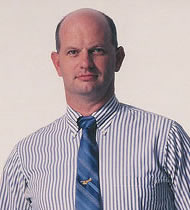
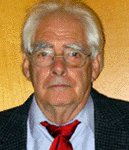
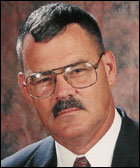
Many respected senior members of the U.S. military, intelligence services, and government have expressed significant criticism of the 9/11 Commission Report. Some even allege government complicity in the terrible acts of 9/11. Below are the highly revealing statements on this vital topic of over 50 prominent public servants with links for verification and further investigation. The collective voices of these respected senior officials give credibility to the claim that the 9/11 Commission Report is tragically flawed. These dedicated individuals from both political parties cannot be simply dismissed as irresponsible believers in some 9/11 conspiracy theory. Their sincere concern, backed by decades of service to their country, demonstrate that criticism of the 9/11 Commission Report is not only reasonable and responsible, it is in fact a patriotic duty. |
| FEDERAL GOVERNMENT OFFICIALS | |
Rep. Curt Weldon | Rep. Curt Weldon – Ten-term Republican Congressman from Pennsylvania. House Armed Services Committee Vice Chairman. Homeland Security Committee Vice Chairman.
|
Senator Max Cleland | Senator Max Cleland – Former member of the 9/11 Commission, resigned December 2003. Currently serves on the board of directors of the Export-Import Bank of the United States. U.S. Senator from Georgia 1996-2002. Administrator of U.S. Veterans Administration 1977-1981. Awarded Silver Star and Bronze Star for U.S. Army bravery in Viet Nam. Triple amputee from war injuries.
|
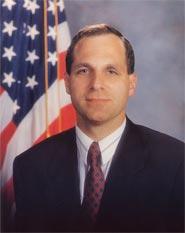
Louis Freeh | Louis Freeh – Director of FBI, 1993-2001. Former U.S. District Court Judge for Southern District of New York, appointed by President George H.W. Bush. Former Deputy United States Attorney in New York. Former FBI agent. Former officer in United States Army.
|
Edward L. Peck | Edward L. Peck – Deputy Director of the White House Task Force on Terrorism under Ronald Reagan. Former Deputy Coordinator, Covert Intelligence Programs at the State Department. U.S. Ambassador and Chief of Mission to Iraq (1977-80). 32-year veteran of the Foreign Service.
|
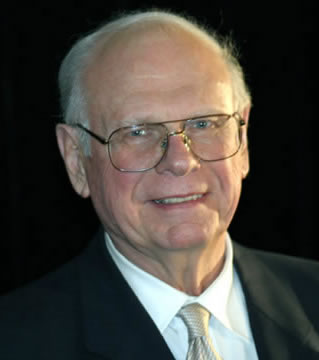
Paul Craig Roberts | Paul Craig Roberts, PhD – Assistant Secretary of the U.S. Treasury under Ronald Reagan. "Father of Reaganomics." Former Associate Editor of the Wall Street Journal. Currently Chairman of the Institute for Political Economy and Research Fellow at the Independent Institute.
|
Morgan Reynolds | Morgan Reynolds, PhD – Chief Economist, Department of Labor under George W. Bush 2001-2002. Former Director of the Criminal Justice Center at the National Center for Policy Analysis. Professor Emeritus, Texas A&M University.
|
Catherine Austin Fitts | Catherine Austin Fitts – Assistant Secretary of Housing under George H.W. Bush. Former Managing Director of Wall Street investment bank, Dillon, Read & Co.
|
Morton Goulder | Morton Goulder – Deputy Assistant Secretary of Defense for Intelligence and Warning under Presidents Nixon, Ford, and Carter (1973-77). Founder of Sanders Associates.
|
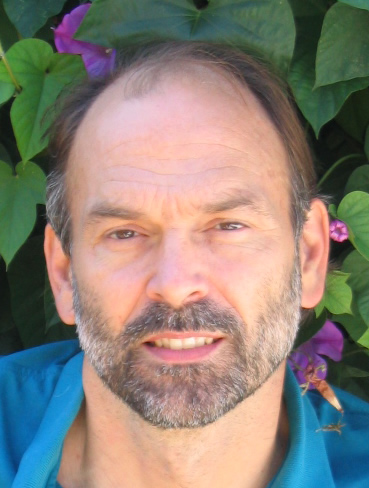 Fred Burks | Fred Burks – Former State Department Interpreter for Presidents George W. Bush and Bill Clinton, Vice Presidents Dick Cheney and Al Gore, Secretaries of State Colin Powell and Madeleine Albright. 18-year State Department career.
|
| U.S. MILITARY OFFICERS | |
General Albert Stubblebine | General Albert Stubblebine, U.S. Army (ret) – Commanding General of Army Intelligence and Security Command (INSCOM), 1981 - 1984. Also commanded U.S. Army’s Intelligence Center. Former head of Imagery Interpretation for Scientific and Technical Intelligence. 32-year Army career.
|
Col. Robert Bowman | Col. Robert Bowman, PhD, U.S. Air Force (ret) – Director of Advanced Space Programs Development under Presidents Ford and Carter. Air Force fighter pilot, over 100 combat missions. PhD in Aeronautics, Nuclear Engineering.
|
Col. George Nelson | Col. George Nelson, U.S. Air Force (ret) – Former U.S. Air Force aircraft accident investigator and airplane parts authority. 34-year Air Force career.
|
Col. Ronald D. Ray | Col. Ronald D. Ray, U.S. Marine Corps (ret) – Deputy Assistant Secretary of Defense during Reagan Administration. Highly decorated Vietnam veteran (two Silver Stars, a Bronze Star and a Purple Heart). Appointed by President George H.W. Bush to serve on American Battle Monuments Commission. From 1990 to 1994, served as Military Historian and Deputy Director of Field Operations for U.S. Marine Corps Historical Center, Washington, D.C.
|
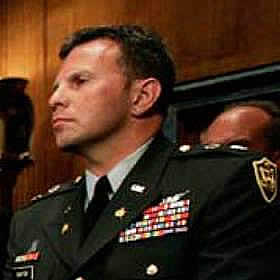
Lt. Col. Anthony Shaffer | Lt. Col. Anthony Shaffer, U.S. Army (ret) – Former Military Intelligence Officer, Defense Intelligence Agency. Member of Able Danger effort to target Al Qaeda’s global structure. Former Chief of the Army’s HUMINT [Human Intelligence] program. Awarded the Bronze Star for bravery for the first of his two combat tours to Afghanistan. 23-year military intelligence career.
|
Lt. Col. Karen Kwiatkowski | Lt. Col. Karen Kwiatkowski, PhD, U.S. Air Force (ret) – Former Political-Military Affairs Officer in the Office of the Secretary of Defense. Staff Member, Office of Director of the National Security Agency. 20-year Air Force veteran.
|
Major Scott Ritter | Major Scott Ritter, U.S. Marine Corps – Former Marine Corps Intelligence Officer and Chief Weapons Inspector for the United Nations Special Commission in Iraq 1991-1998.
|
Major Douglas Rokke | Major Douglas Rokke, PhD, U.S. Army (ret) – Former Director U.S. Army Depleted Uranium Project.
|
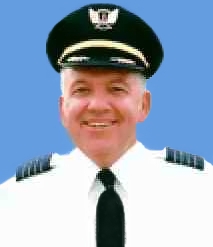
Capt. Russ Wittenberg | Capt. Russ Wittenberg, U.S. Air Force – Former Air Force fighter pilot, over 100 combat missions. Commercial pilot for Pan Am and United Airlines for 35 years. Had previously flown the actual two United airplanes that were hijacked on 9/11.
|
Barbara Honegger | Barbara Honegger – Senior Military Affairs Journalist at the Naval Postgraduate School (1995 - present). White House Policy Analyst and Special Assistant to the Assistant to President Ronald Reagan (1981-83).
|
Capt. Gregory M. Zeigler | Capt. Gregory M. Zeigler, PhD, U.S. Army – Former U.S. Army Intelligence Officer
|
| U.S. INTELLIGENCE SERVICES VETERANS | |
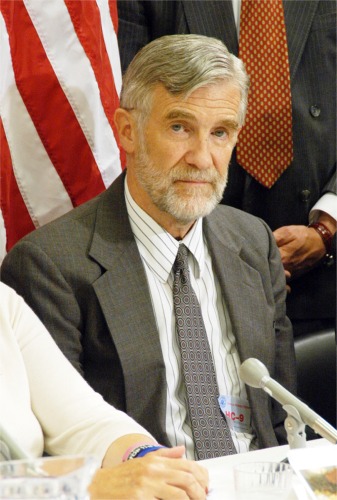
Raymond L. McGovern | Raymond L. McGovern – Former Chairman, National Intelligence Estimates, CIA. Responsible for President’s Daily Brief (PDB) for Ronald Reagan and George H.W. Bush. 27-year CIA veteran. Former U.S. Army Intelligence Officer.
|
 William Christison | William Christison – Former National Intelligence Officer and Director of the CIA's Office of Regional and Political Analysis. 29-year CIA veteran.
|
Melvin A. Goodman | Melvin A. Goodman – Senior Analyst, Bureau of Intelligence and Research, State Department, 1974-1976. Former Division Chief and Senior Analyst, Office of Soviet Affairs, CIA,1976 - 1986. Professor of International Security, National War College 1986-2004. Currently Senior Fellow, Center for International Policy and Adjunct Professor of International Relations, Johns Hopkins University. Author or co-author of five books on international relations.
|
Robert Baer | Robert Baer – Former CIA Case Officer, Specialist in Middle East, Directorate of Operations. Awarded Career Intelligence Medal. 21-year CIA veteran. Author of two nonfiction books about CIA operations, See No Evil and Sleeping with the Devil
|
Sibel D. Edmonds | Sibel D. Edmonds – Former Language Translation Specialist, FBI. Performed translations for counterterrorism, counterintelligence operations. 9/11 Commission Witness.
|
Bogdan Dzakovic | Bogdan Dzakovic – 14-year Counterterrorism expert, Security Division of Federal Aviation Administration (FAA). Team Leader of FAA's Red (Terrorism) Team. Former Team Leader in Federal Air Marshal program. Former Coast Guard officer. Witness for 9/11 Commission.
|
| Letter to Congress on 9/11 Commission Report "We the undersigned wish to bring to the attention of the Congress and the people of the United States what we believe are serious shortcomings in the [9/11 Commission] report and its recommendations.
|
| INTERNATIONAL MILITARY, INTELLIGENCE AND GOVERNMENT OFFICIALS | |
Paul Hellyer | Paul Hellyer – Former Minister of National Defense of Canada. Former Deputy Prime Minister. Former Member of House of Commons.
|
Andreas von Buelow | Andreas von Buelow, PhD – Former State Secretary of the Federal Ministry of Defense of West Germany. Former Minister of Research and Technology. Member of Bundestag (Parliament) 1969-1994.
|
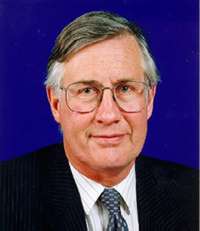
Michael Meacher | Michael Meacher – Former Under Secretary for Industry, Under Secretary for Health and Social Security, Minister of Environment, and Member of the House of Commons (UK).
|
General Leonid Ivashov | General Leonid Ivashov – Joint Chief of Staff of Russian Armies on 9/11/2001. Chief of Department for General Affairs in Soviet Union’s Ministry of Defense. Chief of Military Cooperation Department at Russian Federation’s Ministry of Defense. Secretary of Council of Defense Ministers of Community of Independant States (CIS).
|
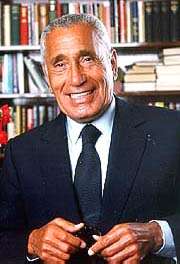
Mohamed Hassanein Heikal | Mohamed Hassanein Heikal – Former Foreign Minister of Egypt. Adviser to Egyptian Presidents Nasser and Sadat. Renowned Journalist and Editor.
|
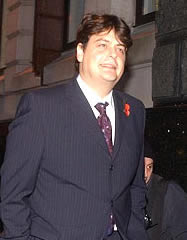
David Shayler | David Shayler – Former Counter-terrorism Officer, MI5 (UK)
|
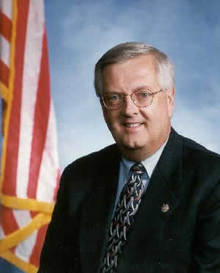

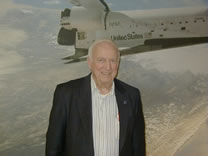
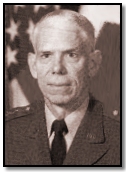
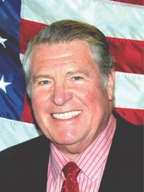

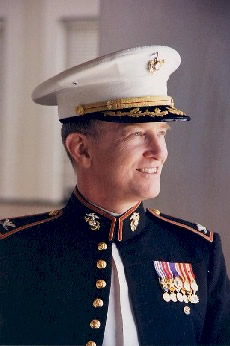

![Melvin Goodman, “I want to talk about the [9/11] Commission itself, about the flawed process of the Commission and finally about the conflict of interest within the Commission that is extremely important to understand the failure of the Commission.”](http://www.wanttoknow.info/911officialsphotos/Melvin%20Goodman.jpg)






|
I believed the official explanation of 9/11 for four and one-half years. I remember, during that time, becoming angry at news stories about people who challenged that explanation. However, in the Spring of 2006, I saw the documentary, Loose Change, on the Internet. Although not entirely objective, it raised many serious and disturbing questions about the events of 9/11 that I had previously simply accepted without much critical thought. And so I began a several month period of researching the events of 9/11. I found a great deal of material challenging the 9/11 Commission Report on web sites like 911truth.org, physics911.net, Scholars for 9/11 Truth and many others. I attended a lecture by Prof. David Ray Griffin. I learned much about what has become known as the 9/11 Truth Movement. Much of the information and limited media coverage of the 9/11 Truth Movement focuses on college professors like David Ray Griffin, Steven Jones, James Fetzer, Kee Dewdney, and others. In August of 2006, I began searching for statements about 9/11 by members of the intelligence services, military and government. Because of their experience in these areas, I felt their opinions about 9/11 would be an additional valuable source of information. I was surprised by the amount of criticism of 9/11 from this group that I found scattered around the Internet. I had learned of virtually none of this criticism through newspapers, television, or radio news sources. I don't know what really happened on 9/11. I greatly value these individuals' statements because most have spent large portions of their careers studying espionage, terrorism, and military operations throughout the world and personally planned and carried out United States' military and intelligence activities. They're experienced professionals, whom I trust. For the sake of those who died on 9/11, their families, the American people, and for the sake of peace in the world, please continue to seek the truth about 9/11. Demand a thorough and impartial reinvestigation of 9/11.
If you are or know of an active or former senior member of the military, intelligence services, or government, who has publicly expressed concerns about the 9/11 Commission Report, and would like your comment to be added to this list, please email your information to me. Sincerely, Alan Miller |
